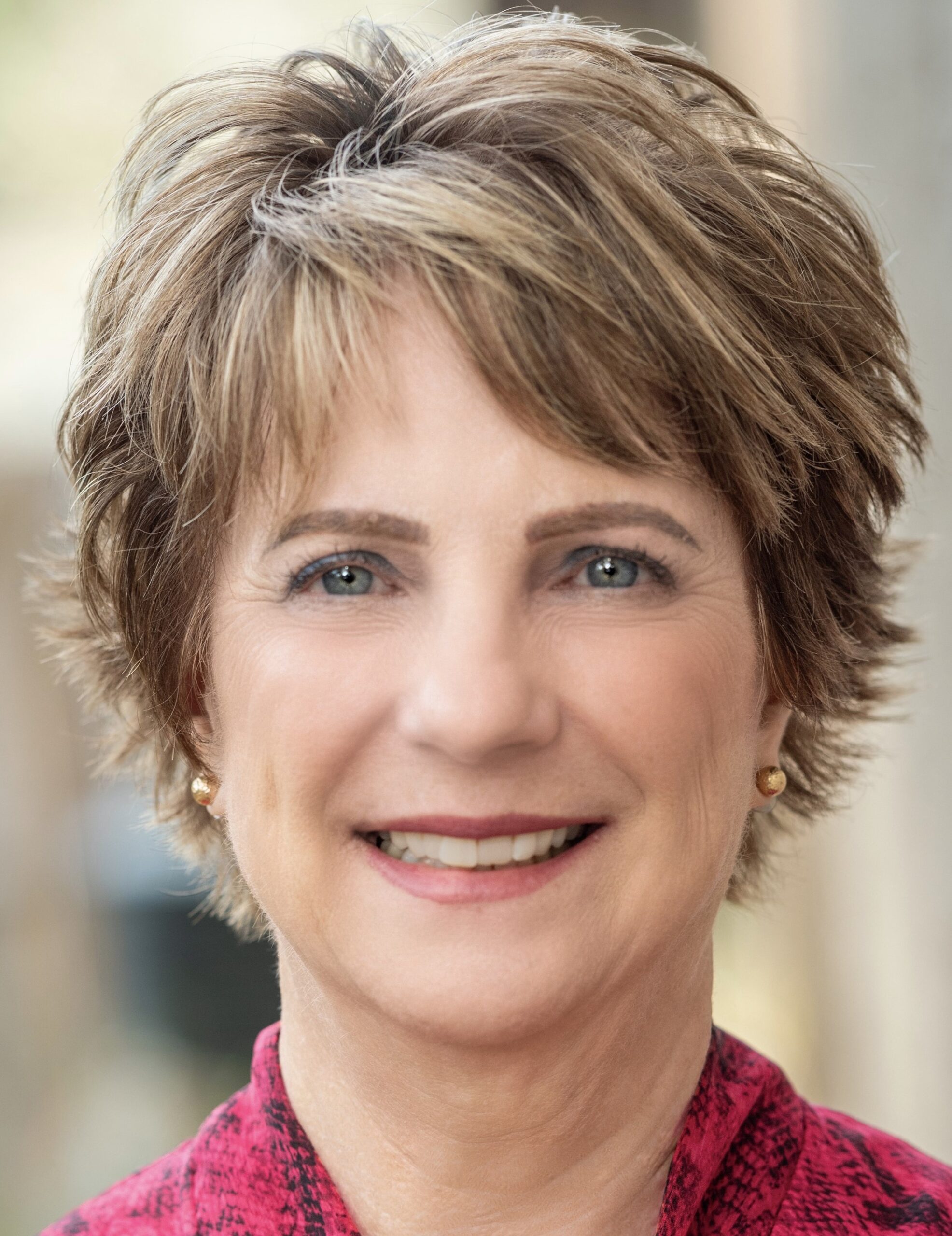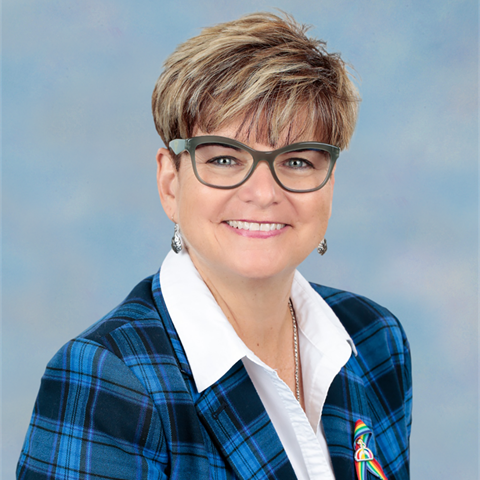
As we approach reflect on the ten-year anniversary of the Pulse Nightclub Shooting, the Peace and Justice Institute took the time to speak to Orlando Commissioner Patty Sheehan on how she used PJI’s Principles for How We Treat Each Other in the design and development of the Pulse memorial. Commissioner Sheehan, who had deep personal ties to Pulse, described the process of designing the memorial as unlike any normal city business.
Commissioner Sheehan first learned about the Principles through a mutual Orlando Pottery Studio member named Jim Belcher, a Valencia College professor who showed her the Principles. She believed in them so much that she posted the Principles in the Orlando Town Hall break room, and even in her laundry room. Her decision to use them in these sessions was a natural choice, “I think the best way to deal with people who have been traumatized is to have guidelines,” that’s when she decided to open every committee meeting by displaying the Principles on a large screen. This decision helped facilitate open conversation in the sessions.
She shared that when hearing from multiple perspectives, the most useful principle was “All Voices Have Value”. She shared that the committee’s challenge was whether to preserve the Pulse building or to advance with construction. Sheehan personally believed that it needed to come down, but she understood that others were “trauma-bonded” to the physical space, feeling it was the last place their loved ones visited. In a situation where grief is so present, she relayed that the Principles created a safe space for communication and made her a better elected official and person.
When asked if the framework could effectively serve as a model for how other cities approach memorial or trauma-informed public spaces Sheehan replied “absolutely,” and said that it gave staff the “opportunity to help with the best practices.” After the dissolvement of the One Pulse Foundation, the memorial design was given to the City and Sheehan is proud of how Orlando responded. The hospitals forgave medical bills, and the City raised money for families and survivors to cover injuries, counseling, and even job loss.
The Commissioner reflected on the present day community saying “ I don’t think we are as together as we were 10 years ago,” citing religious judgement of the LGBTQ community as a point of division and urged that we should look to the aftermath of Pulse as a “model of how we came together.” Sheehan believes that the inauguration of the memorial in 2027 will help the Orlando community move forward, gain solace and heal. She reminds, “there was something before this, and there’ll be something after this.”